How To Quickly Buy a Used WAV Car Before It’s Listed Online
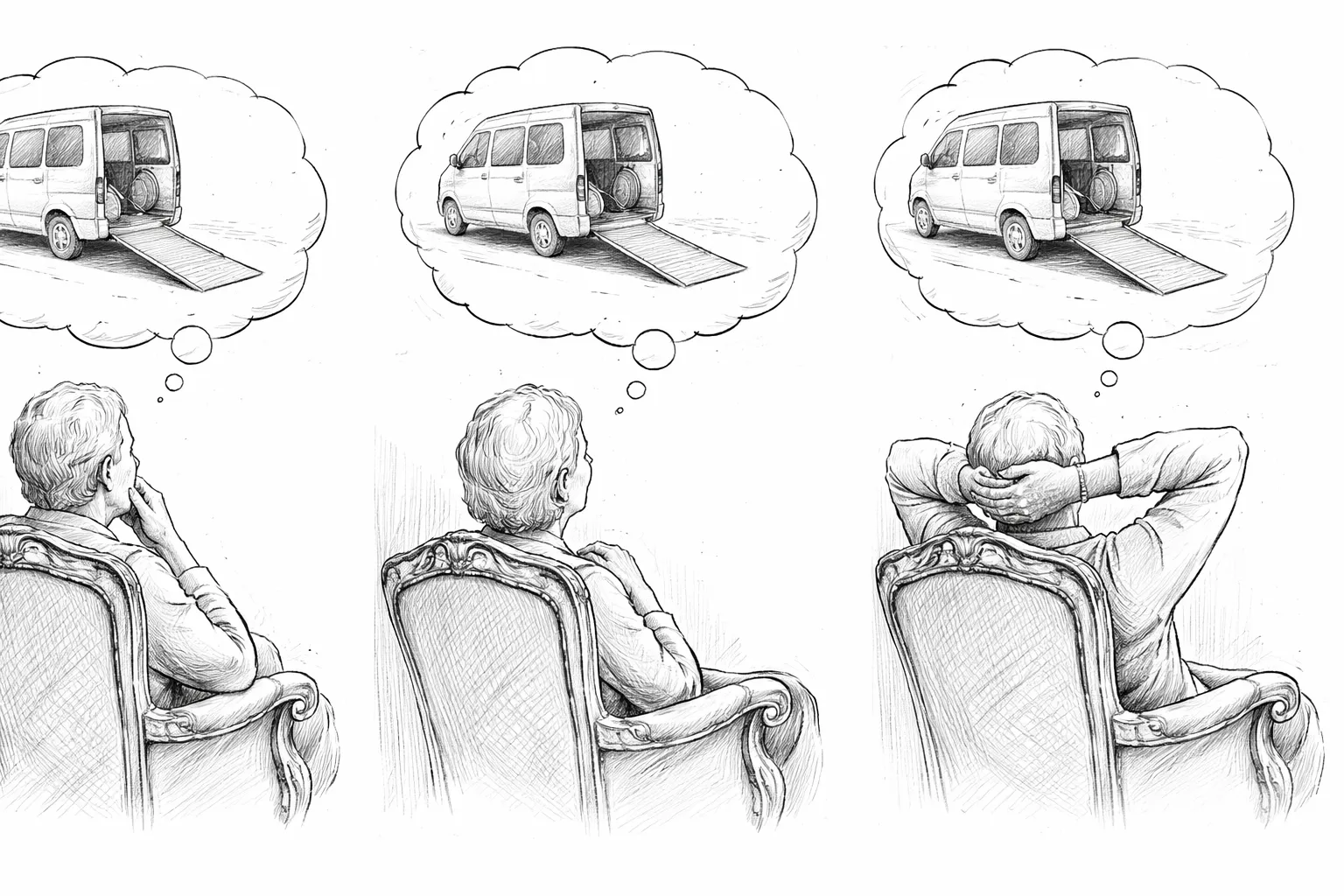
How an Independent Wheelchair Accessible Dealer Creates A Vehicle Matchmaking Service for Bristol and the South West Buyers
Call Michael Harraway on 01934 820077
Not every disability is visible, and accessible features vary between models and manufacturers. There’s no need to pay new/premium car costs when your local M5 Junction 21 is between Bristol and Exeter. Please remember – all appointments must be booked in advance.
Why Michael Harroway’s Wheelchair Accessible Vehicle Service Works Like a Matchmaker (And Why That’s Brilliant)
Michael doesn’t sell cars the way most dealers do. He matches them. Like a dating service for wheelchair accessible vehicles, he keeps a mental rolodex of exactly what each customer needs, then calls them the moment the right car arrives. No platform fees. No transaction charges. Just genuine human connection and a deep understanding of what matters most to people who rely on adapted vehicles.
The Little Black Book That Makes All the Difference
When someone rings Michael’s business and asks about a specific vehicle, his response is rarely “yes, we have that one in stock.” Instead, it’s more likely to be “I haven’t got that exact model right now, but tell me what you need it for.” Then the real conversation begins.
Michael maintains what the industry calls a “little black book”—a carefully curated list of customers, their requirements, their budget ranges, and their specific accessibility needs. When a customer shares their story with him, he remembers. He knows whether they need an electric ramp or prefer manual operation. He understands if the vehicle is for a wheelchair user who drives themselves or for a passenger being transported by a family member or carer. These details matter enormously, and Michael treats them with the attention they deserve.
His family company sources quality used vehicles, puts each one through a rigorous 12-point inspection, ensures every car comes with two keys (even if it only arrived with one), and finishes with a professional valet inside and out. The cars in the showroom look immaculate because they’ve been treated with care from the moment they arrived on the forecourt. But the real magic happens behind the scenes, where dozens more vehicles sit waiting to be matched with the right person.
Why People Don’t Buy £14,000 Cars Online
Let’s be honest. Nobody lands on a website, sees a wheelchair accessible vehicle listed for £14,000, and casually adds it to their basket like they’re ordering a new kettle. High-value purchases demand conversation, especially when accessibility features are involved. Customers need reassurance. They want to ask questions. They need to know the vehicle will genuinely meet their needs before committing to what is often one of the most significant purchases they’ll make.
If someone did have enough disposable income to impulse-buy a car online without a single phone call, they’d likely be shopping for brand new vehicles with full manufacturer warranties. Michael’s customers are real people with real budgets who prefer human conversations. Recently refurbished in late 2025, the new website design allows potential buyers browse, compare, and get a feel for what’s available before picking up the phone.
The Smart Economics of Personal Service
Here’s where Michael’s approach becomes genuinely clever from a business perspective. By connecting directly with customers instead of relying on online transactions, he builds relationships and brand reputation. When Michael matches a vehicle from his “little black book” and calls a customer directly, that entire transaction happens fee-free.
This isn’t about cutting corners or avoiding legitimate business costs. It’s about recognising where value truly lies. Michael’s customers aren’t paying for slick web interfaces or algorithm-driven recommendations. They’re paying for his expertise, his industry connections, and his genuine care about getting them into the right vehicle. That personal touch doesn’t come with a platform fee because it doesn’t need a platform.
What Makes a Wheelchair Accessible Vehicle Match Perfect
Finding the right adapted vehicle isn’t like buying a standard car. There are layers of complexity that only become apparent when you start asking the right questions. Michael knows this instinctively, which is why his matchmaking process works so effectively.
Electric Ramp or Manual Operation
Some customers need the convenience and reliability of an electric ramp system. Others prefer the simplicity and lower maintenance requirements of a manual ramp. Budget plays a role, but so does physical capability and personal preference. Michael takes time to understand which option genuinely suits each customer’s lifestyle rather than simply pushing whatever is currently in stock.
Driver or Passenger Configuration
A wheelchair accessible vehicle configured for a driver who uses a wheelchair is fundamentally different from one designed to transport a wheelchair user as a passenger. The controls, the entry points, and the internal layout all vary significantly. Michael’s detailed customer records mean he never wastes anyone’s time by suggesting a vehicle that won’t work for their specific situation.
Budget Boundaries and Realistic Expectations
Michael doesn’t oversell. If a customer’s budget won’t stretch to the features they’ve described, he tells them honestly and works with them to find alternatives. Sometimes that means waiting for the right vehicle to come through his family company’s sourcing network. Sometimes it means adjusting expectations around age, mileage, or optional features. But it always means having an honest conversation about what’s achievable and what compromises might be necessary.
The Family Company Advantage
Behind Michael’s forecourt operation sits a wider family business that specialises in sourcing and preparing quality used vehicles. This network gives him access to cars before they hit the open market, creating opportunities to match vehicles with customers before competitors even know they exist.
Every car that comes through the preparation process receives the same level of attention. Tyres are checked and replaced if necessary. Brakes are inspected. MOT certificates are current. The 12-point inspection isn’t a tick-box exercise; it’s a genuine quality assurance process that ensures every vehicle leaves the forecourt in safe, reliable condition.
The finishing touch—a thorough valet and wax—isn’t just about aesthetics. It demonstrates pride in the product and respect for the customer. When someone collects their vehicle from Michael, it looks cared for because it has been cared for. That attention to detail builds trust and creates repeat customers who return when they need their next vehicle.
Why This Model Works Brilliantly in 2026
We’re living in an era obsessed with automation, algorithms, and frictionless digital transactions. Every business is being pushed toward online sales funnels, conversion rate optimisation, and reducing human touchpoints. For many products and services, that makes perfect sense. But wheelchair accessible vehicles aren’t most products.
Michael’s model succeeds precisely because it resists the pressure to automate everything. His customers don’t want to fill out web forms and wait for generic email responses. They want to speak with someone who understands their needs, remembers their previous conversations, and genuinely cares about finding them the right solution. That’s not something you can automate without losing the essence of what makes it valuable.
The “little black book” approach also creates remarkable customer loyalty. When someone knows that Michael will call them personally the moment a suitable vehicle arrives, they stop browsing other dealers. Why would they? They’ve already found someone who’s actively working on their behalf, searching for exactly what they need. That level of service is rare, and customers recognise its value.
The Long Game of Relationship Building
Michael isn’t chasing quick sales or trying to hit monthly targets by pushing customers toward whatever generates the highest commission. He’s building relationships that span years and often extend across family networks. A satisfied customer becomes a referral source. Their friends, relatives, and support workers all hear about the excellent service they received, and those recommendations carry far more weight than any digital marketing campaign ever could.
This long-term thinking creates a sustainable business model that doesn’t depend on constant advertising spend or aggressive sales tactics. Michael’s reputation does the heavy lifting, and his personal approach ensures that reputation continues to grow organically through word-of-mouth recommendations within the disability community.
What Other Businesses Can Learn From Michael’s Approach
Not every business can or should operate like Michael’s wheelchair accessible vehicle service. But there are lessons here that apply far beyond the automotive industry. When you’re selling high-value products or services that require careful consideration, personalisation, and trust, the human touch becomes your competitive advantage.
Digital platforms are tools, not replacements for genuine expertise and personal service. Michael uses his website, AutoTrader listings, and eBay shop as digital showrooms that create awareness and provide information. But he closes sales through conversations, relationships, and a deep understanding of what each customer truly needs. That combination of digital presence and personal service creates a business model that’s both modern and timeless.
If you’re in Weston-super-Mare or the surrounding areas and you need a wheelchair accessible vehicle, Michael Harroway isn’t just a dealer. He’s your matchmaker for 2026. That personal service from someone who’ll remember your requirements, search actively on your behalf, and call you the moment the perfect vehicle arrives. Just honest expertise and genuine care about getting you into the perfect vehicle.
That’s not just good business. That’s brilliant personal service.